
Foods That Are So Healthy You Can Eat Them Every Day (Plus Recipe Ideas)
*Collaborative post
Imagine eating the same foods every day. You would think you would get bored. But this is precisely one of the strategies of some of the longest-lived people in the world. They tend to have the same dishes over and over again. And, interestingly, they never tire of them. Weirdly, they can feel like they’re missing out if they don’t get them.
It turns out that there are some foods that are so healthy, you should try to eat them every day. Research shows the specific categories of foods have unique effects on the body. And so to get all the benefits, you need to eat as broadly as you can throughout the week.
Are you curious which foods you should be adding to your plate daily? Read on to find out more.
Brussel Sprouts
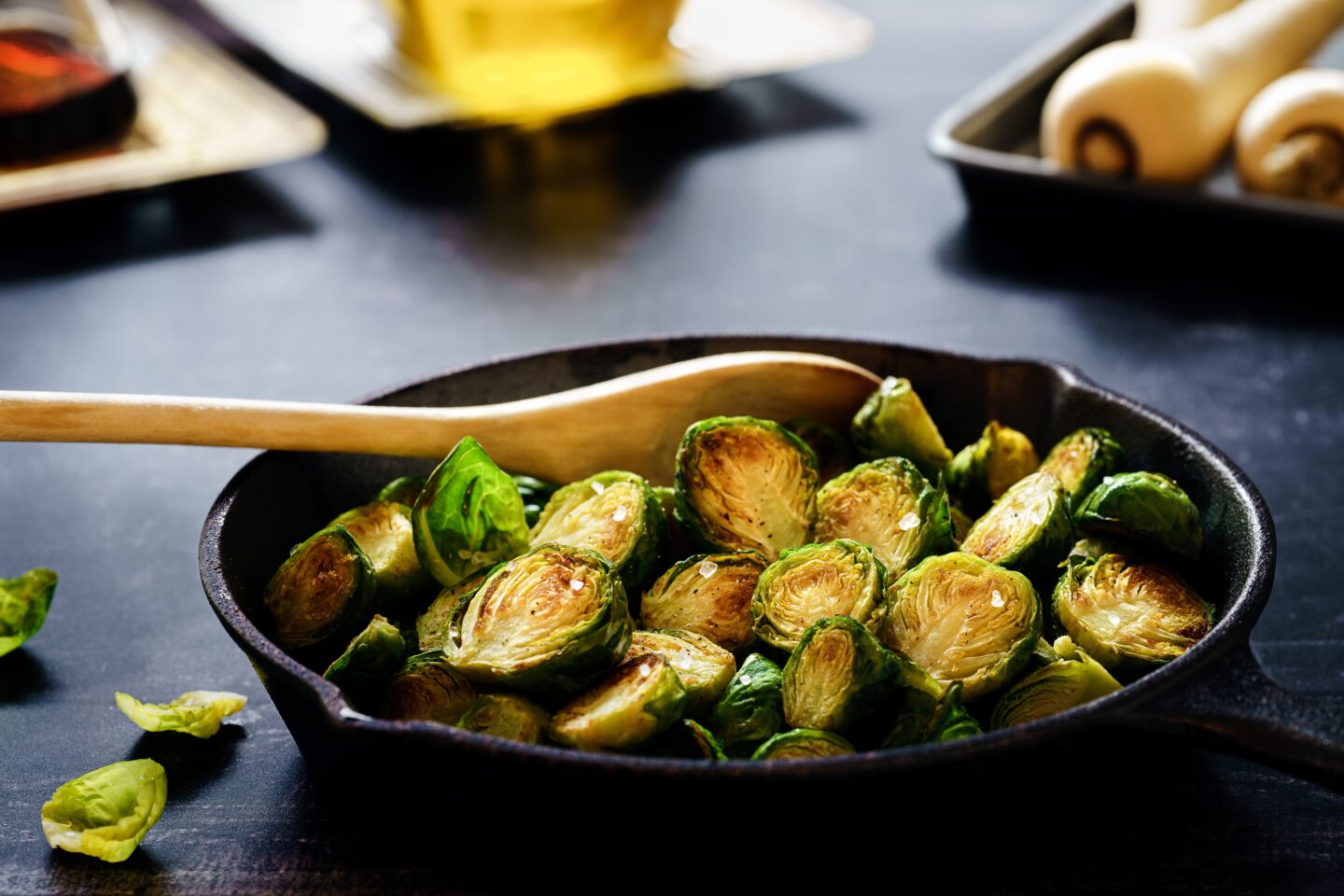
Brussels sprouts have a bad reputation and usually only make an appearance during the Christmas holidays. But they are a superfood and a vegetable that you should be eating as often as you can.
Because of their shape and texture, there are all sorts of ways to prepare Brussels sprouts, besides boiling them in water. Options include:
- Sauteed Brussels sprouts with goats cheese, pine nuts, cider vinegar and olive oil
- Roasted Brussels sprouts with spices
- Brussel sprouts with garlic
- Creamy Brussel sprouts with fried onion
- Parmesan-roasted Brussel sprouts
Brussels sprouts are a great addition to your diet because they are packed with nutrients and low in calories. While they may taste a little bitter sometimes, you can counteract this by cooking them with dried fruit. If you want to add some more crunch, then you can also serve them with chopped nuts. Pecans and pine nuts work well.
Nuts
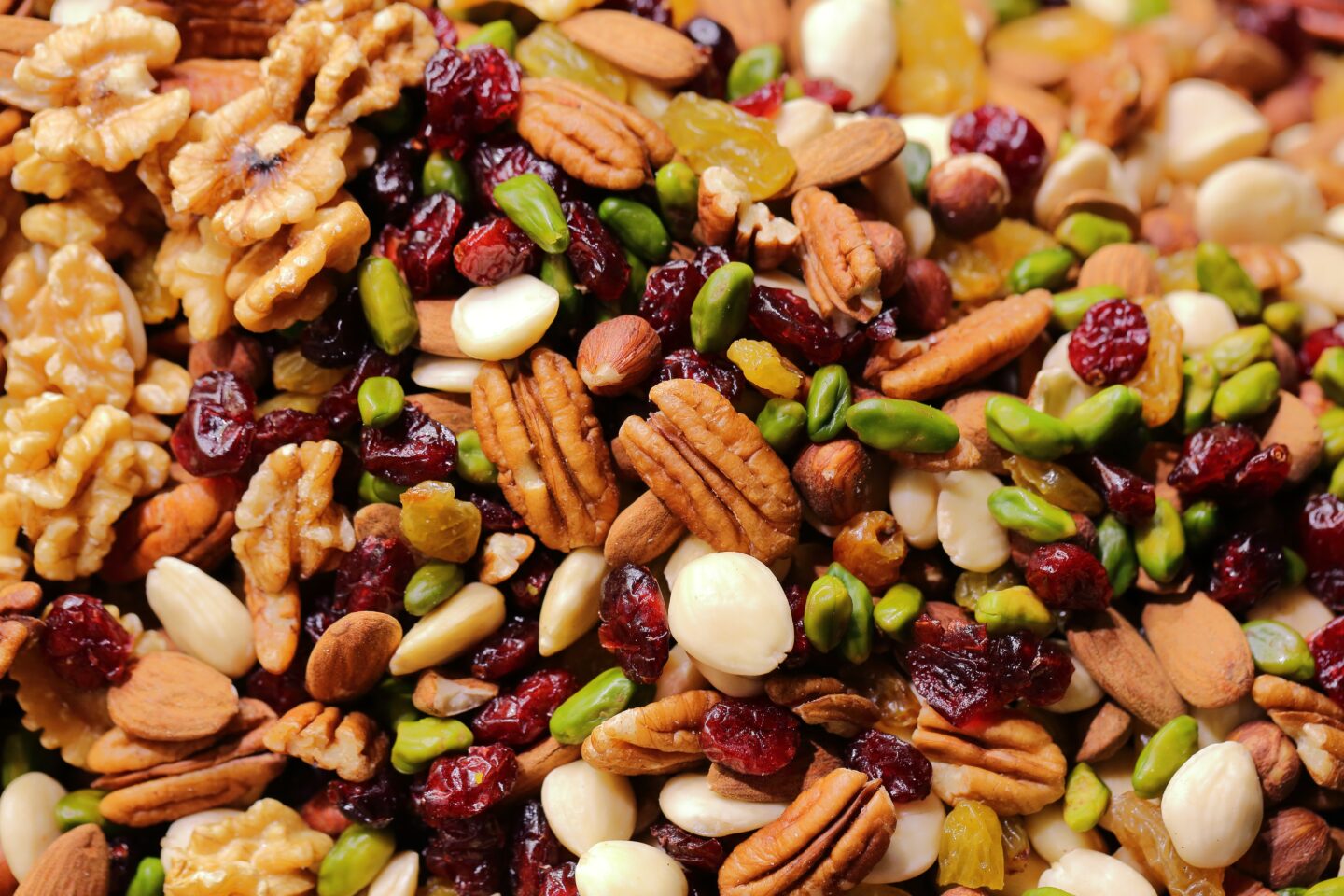
Speaking of which, nuts should also be at the top of your list of foods you should consume every day. They offer all kinds of health benefits that science is only recently discovering. Nuts, for instance, actually help people to lose weight – something you can read more about here – even though they are high in both fat and calories. Researchers think that it has to do with their ability to absorb fat from the bowel and increase the body’s metabolic rate.
There are all sorts of ways that you can eat nuts:
- Have them by themselves or in a trail mix
- Add them to your salads and side dishes
- Blend them to create a paste that you can use as a dressing
- Turn cashews into cashew cheese by adding salt, vinegar and nutritional yeast and blending them all together in a blender
- Using nuts in lentil loaves and roasts
- Adding them as a topping for your porridge
If you can, try to get seeds into your diet as well. Seeds often have a better nutritional profile than nuts and offer all kinds of other wonderful benefits.
Berries
Research suggests that berries are among the most powerful nutrition tools for keeping the brain healthy. People who eat berries regularly actually have brains that age more slowly than their peers. Plus, they’re delicious too – particularly in the summer.
Adding berries to your diet is easier than you might think. You can eat them raw by themselves or as part of a fruit salad. Or you can use them in a host of other recipes. Many people like to make berry-flavored oat bars from natural ingredients, such as raisins, dates and almond butter.
If you can’t find berries year-round – or just fancy a change when the seasons change, then try other small, dark-colored fruits. Many have the same health-enhancing effects as berries. Pomegranate seeds, for instance, are well known for their longevity benefits and can be a great way to add more interest to your Moroccan and Middle-Eastern dishes.
Beans
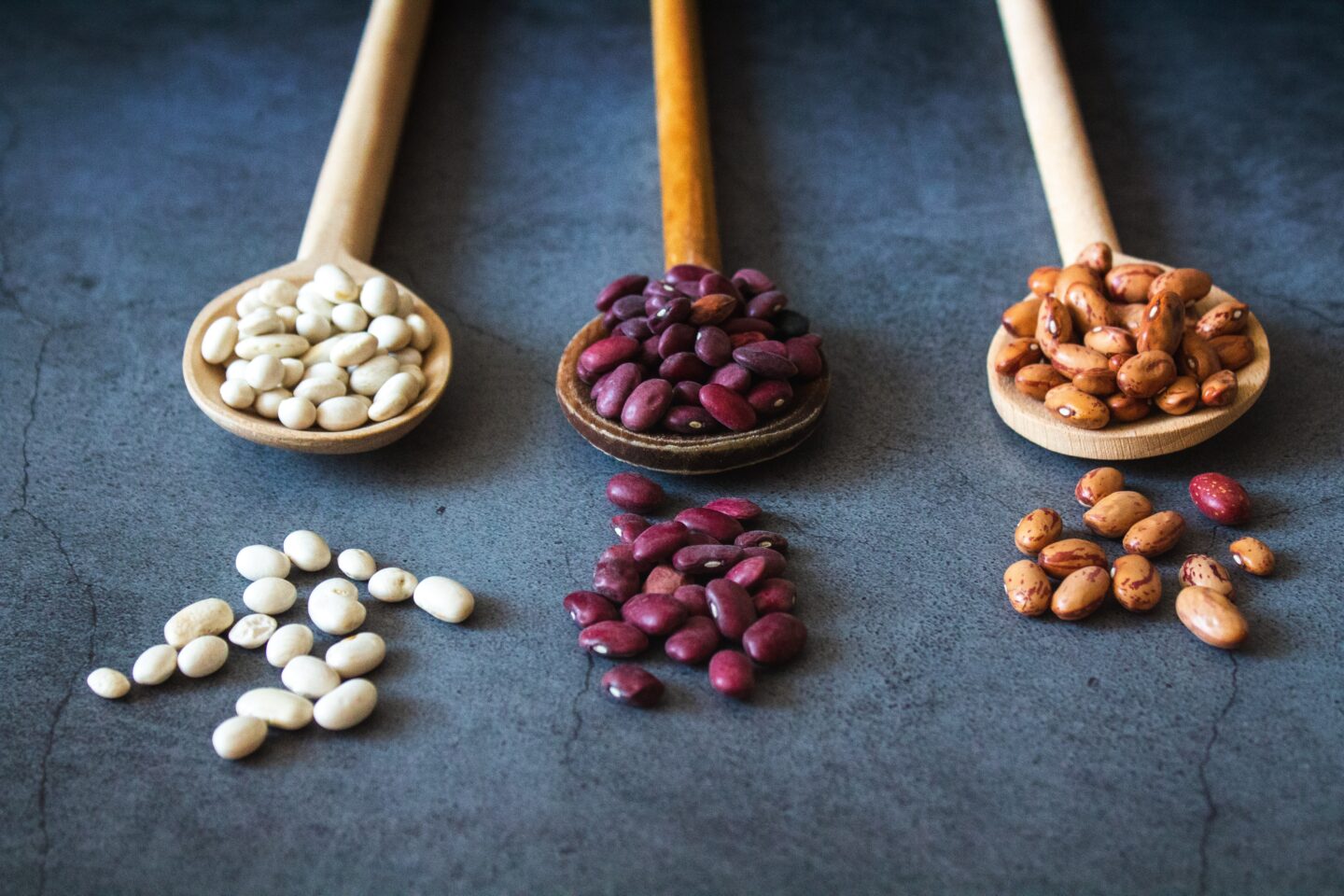
Nutritionists consider beans to be a miracle of nutrition. And yet the mainstream media almost yawns every time people mention them (or alludes to the fact that they cause gas).
Beans, though, have it all. They’re high in fiber, high in protein and contain resistant starch which is a powerful probiotic. They’re so healthy in fact that they can lower a person’s blood sugar response at the following meal in a phenomenon called “the second meal effect.” You can eat a plate of beans for dinner and then your blood sugar response to breakfast the next morning will be lower than that of the person who didn’t eat beans. Quite extraordinary.
There are all kinds of ways that you can get beans and other legumes into your diet, Here are some ideas to get you started:
- Make some homemade hummus with tahini, lemon, garlic and miso, with warm chopped pita on the side
- Indian spiced lentil dal with cauliflower and bay
- Black bean burgers with parsley and red pepper flakes
- Bean salad with fresh rocket and a cashew Ranch dressing
- Mixed bean chili and brown rice
Broccoli
Broccoli is part of the cruciferous family of vegetables that includes cabbage, kale, radishes, broccoli sprouts and cauliflower. This family is unique because of its high production of sulphur compounds.Eating a large amount of sulphur seems like a bad thing, but it can actually help your liver function better. People who eat kale regularly tend to live longer than those who don’t.
Ideally, you should be getting around a cup of broccoli or equivalent per day. Don’t just boil it – that’s not the best way to have it. Instead, mix it with other ingredients to create delicious dishes. For instance, you could make:
- Quinoa and broccoli burritos in a mustard and nut sauce with sundried tomatoes
- Mac and cheese with extra broccoli
- Broccoli and pea burgers in spelt buns
Olive Oil

Meditteranean populations have been consuming large quantities of olive oil for centuries and it appears to be serving them well. In the past, researchers believed that it was the phenolic content of the oil that conferred the benefits. But now they think that it might be a special type of fat that it contains, called oleic acid,
Whatever it is, olive oil appears to have anti-cancer and antitumor effects. It also seems to be dose-dependent. So the more olive oil that people take, the better.
If you choose to eat olive oil, be sure to pick the most unfiltered option that you can find. These tend to be cloudy and contain the most helpful nutrients. Always choose cold-pressed oils if you can afford them and avoid any oils that don’t claim to be virgin.
Please note that quality oils are much more expensive than regular, run-of-the-mill oils.
Herbs
Rounding off this list is probably the most potent category of foods in this list: herbs. Herbs are potent because of their extraordinarily high levels of antioxidants and polyphenols. Unlike regular foods you eat in normal amounts – such as rice – herbs can sometimes have thousands of times the concentration of beneficial components,
Herbs also appear to act in specific ways on the body. So, for instance, turmeric blocks a channel in the cells that causes them to age while ginger protects against oxygen free radical damage. Some herbs target specific tissues. Ashwagandha, for instance, may restore balance to the brain.
Herbs are wonderfully versatile and can enhance practically any dish. For instance, you could:
- Add marjoram and oregano to a tomato pasta sauce
- Make a chickpea curry with garam masala (a blend of cumin, coriander, turmeric and other minor spices)
- Bake potato slices with fresh thyme and almond milk
- Make your own pesto from fresh basil, pine nuts, lemon, avocado and nutritional yeast

